



What does the term “functional dysphonia” mean?
Voice disorders are classified as functional dysphonias when the voice quality is impaired by hoarseness and laryngeal performance is limited without the voice-producing structures being affected by any morphological-pathological changes. Frequently, patients describe subjectively abnormal sensations or paresthesias around the larynx.
Functional dysphonia can be manifest in two main forms, which are either characterized by “too much” or a "too little” muscular tension.
The form associated with excessive muscular tension is called hyperfunctional dysphonia; the form associated with diminished muscular tension is termed hypofunctional dysphonia.
Hereby, it is important to note that the two clinical pictures are rarely observed in their pure form. Usually, mixed forms are encountered with transitions between one state of muscular activity and the other.
How does functional dysphonia develop?
Etiologically, the causes are assumed to be multifactorial, especially given the complexity which interweaves the vocal phenomena and the anatomical structures required to produce voice. Multiple factors — including constitutional, habitual, psychogenic and occupational causes — can affect voice quality in a number of significant ways.
An exclusively voice-focused diagnosis cannot do justice to these multiple interconnections.
What symptoms are caused by functional dysphonia?
Hyperfunctional Dysphonia
The cardinal symptom of this form of functional dysphonia is a more or less severe roughness of the voice. The patient talks with a hard, pressed voice that is abnormally placed towards the back of the throat.
Over the medium term, the hyperfunctional vocal pressure patterns trigger organic stress reactions that manifest on the vocal folds, e.g. vocal cord nodules.
Hypofunctional Dysphonia
This voice disorder is mainly characterized by breathy, low-pitched and quiet phonation. In hypofunctional dysphonia, the voice placement tends to show a more dorsal shift. Overall voice performance is limited and echoed by the debilitated and low-energy communication ability commonly found in these patients. Not without reason, this pathological constellation, now termed hypofunctional dysphonia, was formerly called phonasthenia: i.e., weakness of voice or difficult phonation.
What is the treatment for functional dysphonia?
The therapy of choice for functional dysphonia is voice therapy. A variety of voice therapeutic approaches and methods try to treat dysfunctional voice production by considering the triggers for the conditions.
Here, it is important to note that functional dysphonias are frequently based on multifactorial pathological processes, and successful treatment can only be expected when the therapeutic interventions manage to take this multidimensionality into account.
What Our Patients Say
Vocal Cord Nodules – Prof. Singer April 2022
Vocal Cord Nodules Surgery March 2024
Vocal Cord Cyst Surgery May 2024
Vocal Cord Paralysis Surgery October 2020
Vocal Cord Paralysis Surgery July 2025
Vocal Cord Cyst Surgery – Prof. Actor September 2025
Vocal Cord Cyst Surgery July 2026
Anti-Aging Voice Surgery October 2010
Vocal Cord Paralysis Surgery March 2006
Psychogenic Dysphonia – Aphonia April 2017
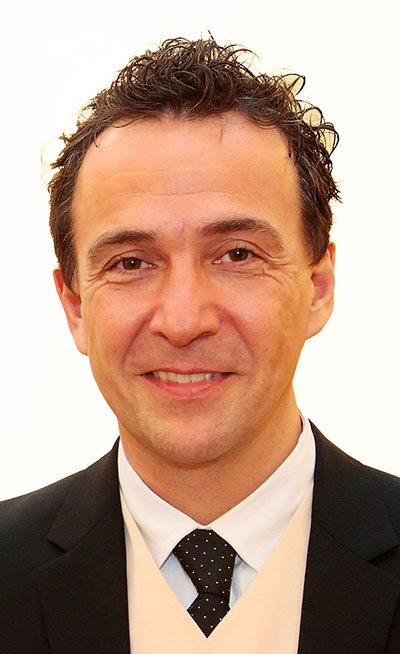
Author and medically reviewed by: Dr. med. Gerrit Wohlt – Specialist in Otorhinolaryngology (ENT) and Specialist in Phoniatrics and Phonosurgery – is an internationally renowned voice specialist and voice surgeon, specializing in the treatment and surgery of professional voice users and singers.
He is known for a gentle surgical technique without the use of lasers: microsurgical reconstruction of the vocal folds, particularly for vocal nodules, vocal fold cysts, Reinke’s edema, vocal fold paralysis and vocal fold polyps.
As a singing teacher and trained singer, he has a particularly sensitive approach to the diagnosis and rehabilitation of the singing voice.
Last reviewed: 24.09.2026
References:
1. Sataloff, RT. Professional Voice: The Science and Art of Clinical Care. 4th ed.: Plural Publishing (2017)
2. Rubin, Sataloff, Korovin: Diagnosis and Treatment of Voice Disorders. 3rd ed.: Plural Publishing (2006)
3. Wendler, Seidner, Eysholdt: Lehrbuch der Phoniatrie und Pädaudiologie, 5th ed.: Georg Thieme Verlag (2015)
4. Tucker, HM.: The Larynx, 2nd ed.: Thieme Medical Publishers (1992)