



When is fat augmentation (injection laryngoplasty) indicated for glottic insufficiency after cancer surgery?
In patients with advanced vocal cord cancer, it may be necessary to excise a larger portion of the vocal fold mucous membrane. This is the only way that the malignant tumor tissue can be reliably resected. Occasionally, the tissue loss to the diseased vocal fold may be so extensive that the vocal cords are no longer able to close during voice production, despite the best efforts by the patient. The result is a very breathy, virtually toneless voice. Usually, the patients’ burden after this type of surgery is exacerbated further by the basic loss of their voice.
If voice therapy does not produce a marked improvement in voice quality, a further phonosurgical intervention is likely to confer benefit on the patient's voice quality.
In such cases, there is the option for augmentation, in other words, to reconstruct the diseased vocal fold by adding autologous or artificial material.
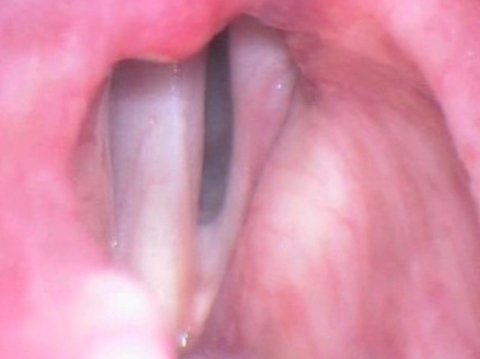
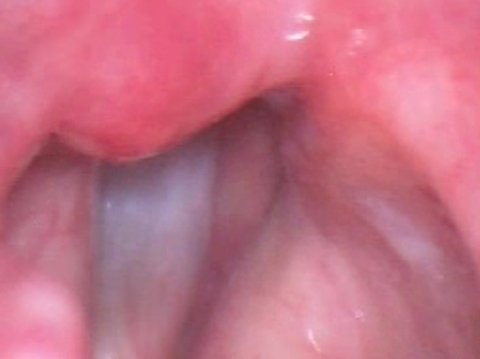
Vocal folds before fat augmentation
Vocal folds after fat augmentation
Fat Augmentation Method for Glottic Insufficiency After Cancer Surgery
The surgical method preferred here by Dr. Wohlt involves augmentation of the diseased vocal fold with autologous fat tissue. To achieve this effect, fat tissue is harvested from the patient through a small skin incision near the belly button and injected into the preserved vocal fold body. That way, this residual vocal fold is upholstered by the added volume of fat tissue. In the best-case scenario, postoperative vocal fold closure can be achieved during phonation.
It should be pointed out that the greater the amount of vocal fold soft tissue that can be preserved or are allowed to remain on the diseased vocal fold, the better are the chances of this method of vocal cord augmentation achieving the best vocal outcomes. When the vocal fold margin is fully scarred and hard, it is very difficult, if not impossible to perform fat augmentation in many cases. However, if soft tissue is available, it can be significantly padded by this type of fat injection. Frequently, the result will yield a clear improvement in voice quality and enhance the patient’s quality of life remarkably.
Vocal folds before surgery
Vocal folds after surgery
What happens during the postoperative phase after fat augmentation?
After fat augmentation, a lengthier phase of resting the voice is not necessary. One to two days of voice rest should be maintained so that the injection sites where the fat augmentation was performed can be given time to close.
Immediately thereafter, the patient is recommended to start post-phonosurgical voice therapy. Indeed, it should be pointed out that this voice exercise program should be adhered to over a longer period of time. The reason this takes a while is because it is difficult for patients who had essentially lost their voices before surgery to adapt the vocal pressure patterns built-up during the loss to the improved anatomical circumstances so soon after their fat augmentation.
The process usually takes several months. In other words, it is not until after half a year that a realistically evaluable vocal outcome can be anticipated.
Nevertheless, fat augmentation can provide significant benefit to most patients. Even if it is not possible to normalize their voice, the improvement in vocal quality the patients achieve compared to the very breathy, sometimes even aphonic voice they had before surgery, can give them such an increase in the quality of their lives that an attempt is always worthwhile. After the intervention, problem-free communication is possible in most patients.
What Our Patients Say
Vocal Cord Leukoplakia Surgery June 2015
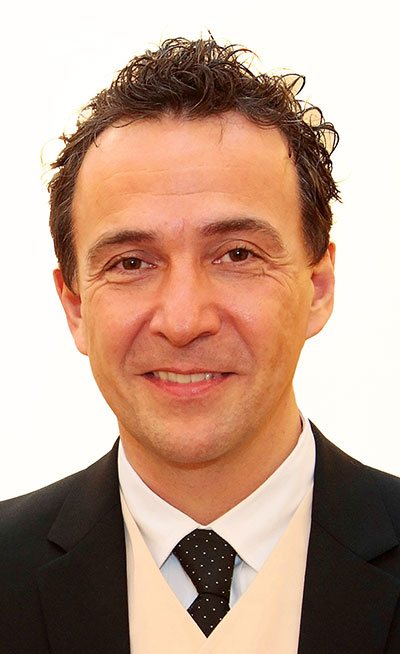
Author and medically reviewed by: Dr. med. Gerrit Wohlt – Specialist in Otorhinolaryngology (ENT) and Specialist in Phoniatrics and Phonosurgery – is an internationally renowned voice specialist and voice surgeon, specializing in the treatment and surgery of professional voice users and singers.
He is known for a gentle surgical technique without the use of lasers: microsurgical reconstruction of the vocal folds, particularly for vocal nodules, vocal fold cysts, Reinke’s edema, vocal fold paralysis and vocal fold polyps.
As a singing teacher and trained singer, he has a particularly sensitive approach to the diagnosis and rehabilitation of the singing voice.
Last reviewed: 24.09.2026
References:
1. Sataloff, RT. Professional Voice: The Science and Art of Clinical Care. 4th ed.: Plural Publishing (2017)
2. Rubin, Sataloff, Korovin: Diagnosis and Treatment of Voice Disorders. 3rd ed.: Plural Publishing (2006)
3. Wendler, Seidner, Eysholdt: Lehrbuch der Phoniatrie und Pädaudiologie, 5th ed.: Georg Thieme Verlag (2015)
4. Tucker, HM.: The Larynx, 2nd ed.: Thieme Medical Publishers (1992)